

Themes
Ocean Governance
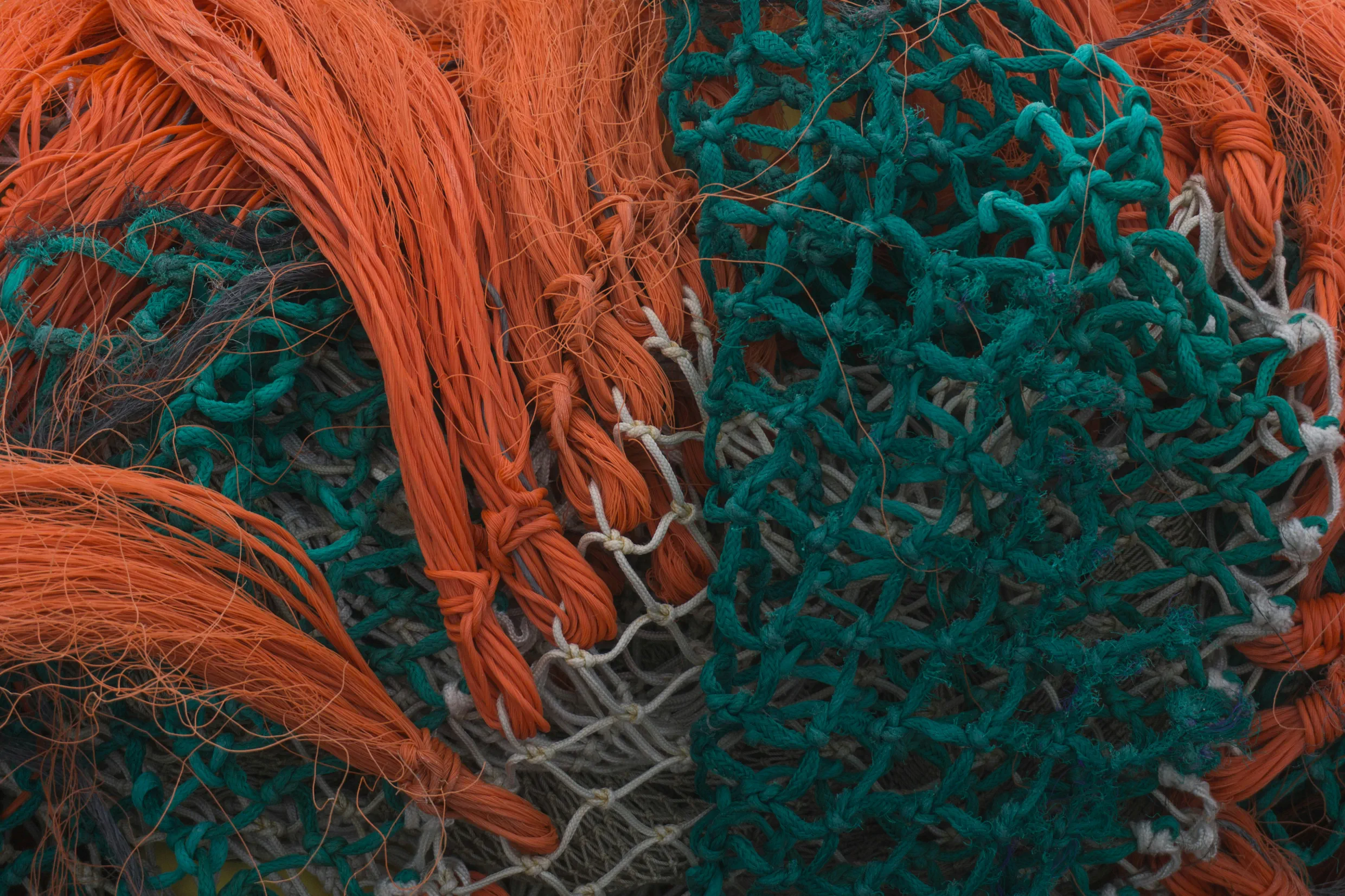
What does equity and justice look like in the world of ocean governance? The films in this section offer diverse answers to this question, connected by a close attention to the colonial and imperial histories underlying contemporary political systems. These narratives trace legacies of dispossession and erasure, making visible the many violences of the state that materialize in subtle - and not so subtle - ways. At the same time, they refuse to simplify and idealize local relations, highlighting instead the complex and often ambiguous interpersonal politics at play. These stories also span multiple levels of scale, as they reveal how layered local, regional, national, and transnational governance shape and reshape the contours of everyday life. As pressures of state governmentality intensify, the films here offer alternative visions of sovereignty and self-determination, with hope for better futures.

Coastal Management and Access
In these films, coasts and coastal areas emerge as sites of contestation between those who live by and with the ocean, and those who seek to reduce the ocean to a source of profit. The people in these stories share intimate connections to the ocean and its shores, in ways that shape their relations with ancestors, coastal plants and animals, and each other. And yet, as these films show, coastal access often depends more on capitalist interests and colonial histories than people’s long-standing roots in place. The films in this section tell the stories of people who fight to protect their lands and waters, elevating their everyday labor of organizing and resistance. In the process, they unsettle the concept of coastal “management,” offering other ways of sustaining, caring for, and living with the ocean.
Food Sovereignty
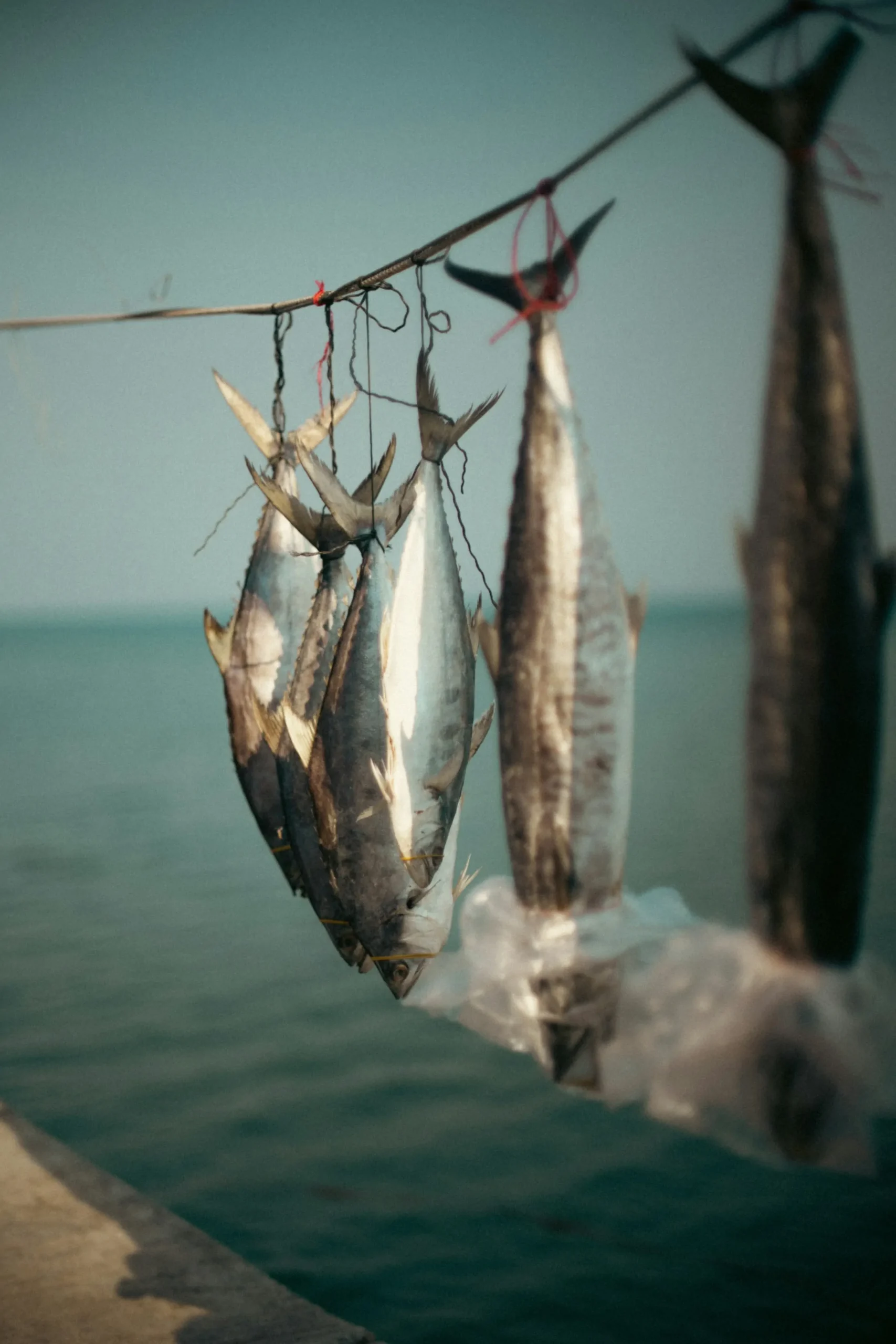
While conversations about the ocean as a source of food tend to focus on security, these films shift our lens to sovereignty and self-determination. They situate marine plants and animals in cultural, spiritual, political, and economic worlds - inextricably embedded in people’s relationships with Land and with each other. In this context, they raise critical questions around access and regulation. Who has the power to regulate people’s relations with culturally significant sources of food? Who has access to certain kinds of fishing and hunting practices? And what happens when changes like rising sea temperatures and overfishing start to deplete fish and marine mammal populations? The films in this section take up these questions in ways that go beyond subsistence and assert food sovereignty as a non-negotiable aspect of ocean justice.
Ocean Pollution
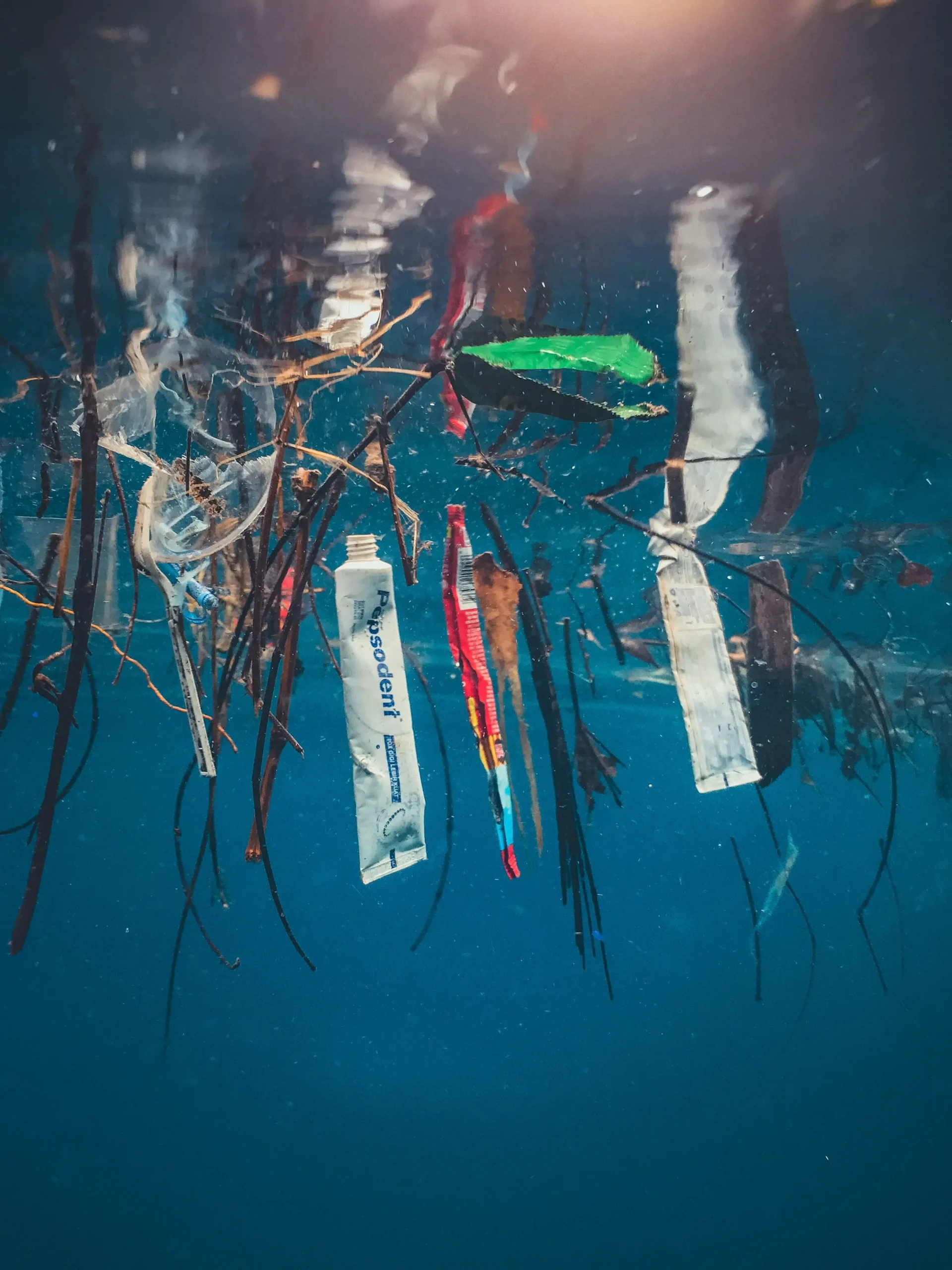
Ocean pollution often takes the form of slow violence, marked by diffuse, transboundary processes that are difficult to trace. The films in this section take up this challenge as they make visible ocean pollution and its profound impacts on people’s lives. From oil spills to mercury poisoning, these stories represent the effects of ocean pollution on a deeply intimate level - while always prioritizing the agency and dignity of their collaborators. At the same time, they reveal complicities between industry and national governments, tracing strategic labors of evasion, confusion, and disavowal. As those responsible for ocean pollution avoid accountability, the burdens of ocean pollution continue to fall most heavily on coastal peoples. These films center the creativity and resourcefulness of people living with ocean pollution, without losing sight of the systemic injustices they face.

Climate Resilience
While climate change is one of the most salient topics in ocean justice, it is also one of the most ambiguous, an umbrella concept that contains many different materializations. These films work to disambiguate climate change by breaking down specific issues and tracing their localized impacts. They show how changes from rising sea levels to coral bleaching are starting to undermine entire lifeways, making clear what is at stake. Some films show how climate change ruptures social bonds, others highlight new relations of transnational solidarity. They all firmly refuse narratives of victimization, highlighting instead people’s creativity and adaptability in the face of unimaginable change.